
Swiss voters approved the new Electricity Act in 2024, and the measures are now being implemented. What impacts will this have on the power grid?
The energy transition is inconceivable without an efficient power grid. It requires a fundamental restructuring of our energy system: away from fossil fuels and towards renewable sources. At the same time, heating and mobility are being decarbonized and electrified. However, all this only works if the power grid can cope with the increasing demands. It not only has to transport more electricity but also absorbs the highly fluctuating feed-in from solar systems and the new loads from charging stations for electric cars and heat pumps. BKW’s power grid is a key factor here: It connects producers and consumers and ensures security of supply. Because the energy transition is not taking place somewhere far away, but here in our neighborhood.
What is actually happening in the neighborhood?
If you want to make a personal contribution to the energy transition, you can install a photovoltaic system (PV system), a charging station, or a heat pump, for example. All these systems are connected directly to the neighborhood’s local power grid. This makes the neighborhood a central location for the energy transition. This is where production and consumption meet, and this is where it is decided whether the system works. In 2025, 3,900 new PV systems were connected to BKW’s distribution grid alone, bringing the total number of systems in our grid to over 33,000.
What challenges does this development entail?
As the production and consumption of electricity will be increasingly decentralized in the future and often do not coincide in time, the power grid must ensure the necessary balance. It must be designed for maximum output at all times – even if many systems are feeding in or drawing electricity at the same time. That is why we need to expand and modernize our network in a targeted manner. At the same time, we want to avoid unnecessary grid expansion, because every meter of line costs money and ties up resources. This is where intelligent solutions such as the feed-in control of solar systems, also known as peak shaving, can help. In this way, we can ensure that the overall system remains stable and that new systems can also be connected in the future.
How is BKW expanding the grid infrastructure?
We are meeting these challenges with targeted investments and forward-looking planning. We will invest about CHF 1 billion in our grid infrastructure between 2025 and 2030, such as in new lines and transformer stations. Today, around 6,000 transformer stations secure the electricity supply in the BKW grid. By 2030, 1,600 stations will have to be strengthened or newly built to ensure that electricity continues to reach us reliably in the future.
BKW is also investing heavily in digital technologies.
It is crucial that we not only strengthen our grid but also make it smarter. We rely on digital solutions to make the power grid and the energy system smarter and more flexible. With the help of modern technologies, we can better control loads, efficiently integrate electricity from PV systems into the grid, and make optimum use of existing capacities. Digital tools also help us to plan and operate the network. This enables us to avoid unnecessary grid expansion. I am thinking, for example, of the smart meters installed in buildings. They give us more information about what is happening in the grid. We, in turn, use this data for further development of our grids.
What contribution can politicians and the public make to the success of the energy transition?
For the energy transition to succeed, all stakeholders need to work together. We can only transform the energy system if everyone pulls together. Politicians can shorten and simplify processes through forward-looking land-use planning and accelerated approval procedures in order to facilitate grid expansion. The understanding and support of the population is also crucial, such as if a PV system cannot be connected immediately because the grid first has to be reinforced or if a site is needed for the construction of a new transformer station.
«For the energy transition to succeed, all stakeholders need to work together. We can only transform the energy system if everyone pulls together.»
To conclude: What fascinates you personally most about your work on the network of the future?
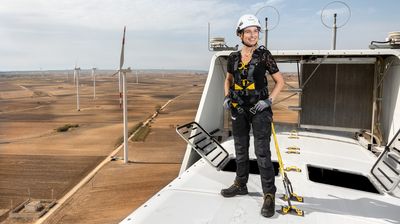
I am particularly fascinated by the committed people who work every day to make the energy transition a success. Our powerline workers are a good example of this. We need a large number of specialists who we train at our BKW training center in Kallnach, to expand and renovate the power grid. I am very proud of that. Personally, I am also particularly keen to get women enthused about technical professions.


Comments